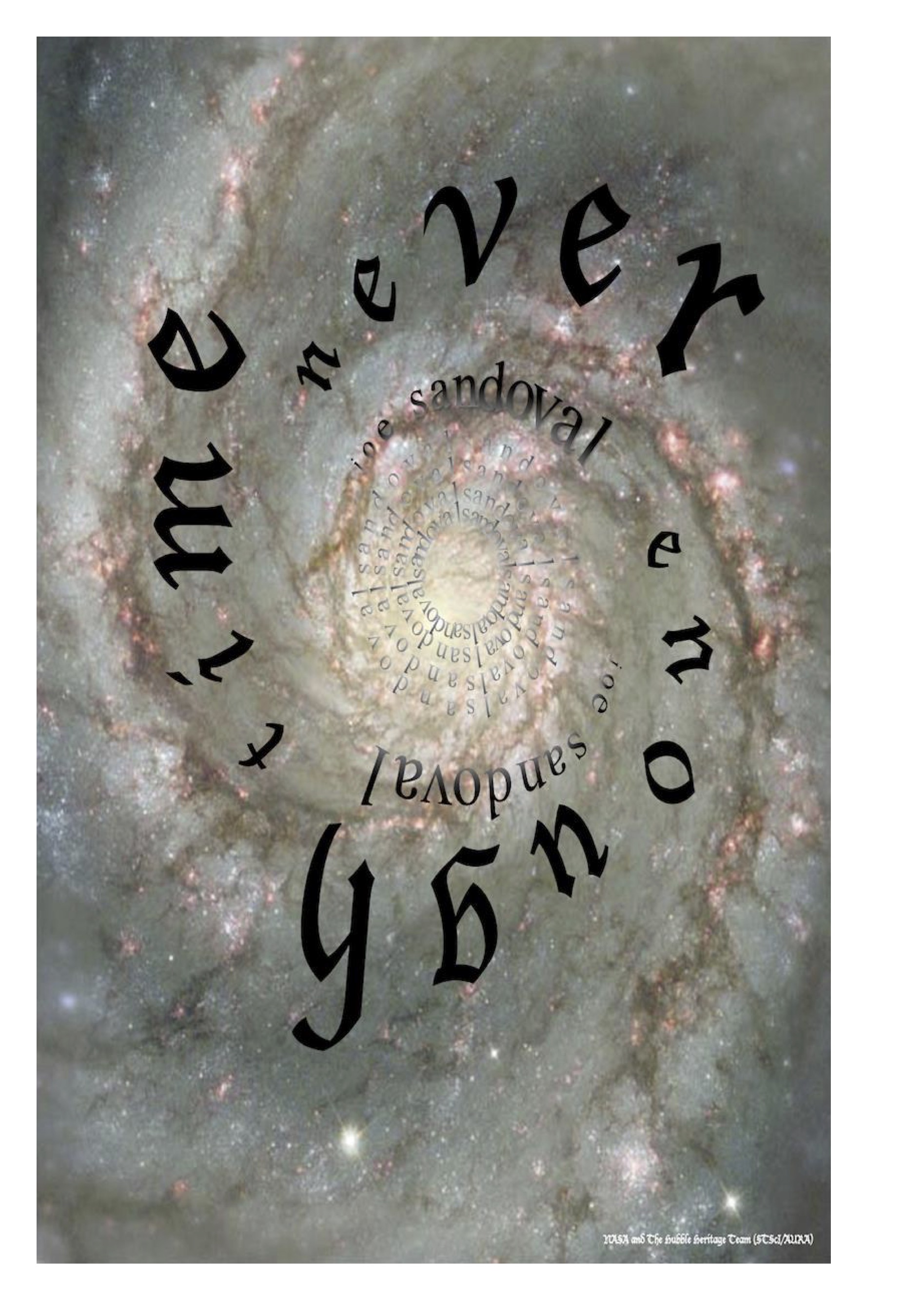
  | EXCERPT: “So, tell me, miss,” he continued, “what do you know of me in 1965?” As usual his ego took precedence. She paused only to consider the possible responses and their future implications. She knew about Hitler from everything her father and friends had discussed during their late evenings at her home. She heard them speak about how Hitler could be very charming and at the same time he could instantly become angry and demanding like he had with British Prime Minister Neville Chamberlain in the Sudetenland negotiations. Hitler met with Chamberlain to discuss Germany’s “annexation” of the Sudetenland. Hitler understood Chamberlain was trying to secure a guarantee that Germany would not continue to expand its conquest. Hitler told Chamberlain exactly what he wanted to hear and then laughed at him after he left the meeting. In a similar way Sandra knew her life was on the line. Much like a high-stakes chess match, she was about to make the first move. “I have had a difficult time understanding your role here because of what I know about you in 1965. In my time, everyone knows your name, but for very different reasons than what I have seen here. In my time, everyone knows the name Adolf Hitler for his great artistic talent and the world acclaimed art school in your name located in what was once Berlin and is now known as Germania.” Hitler was elated. The smile on his face was subtle, but Sandra saw it for what it really was. She could tell she managed to appeal to his narcissistic nature just as her father had so aptly described. Hitler paused and then sternly responded, “In my time Miss Schreiber, I have been rejected as an artist.” “True, in my time you were rejected as well. But you continued to struggle in your art and eventually you were recognized by the art world for your accomplishment.” Sandra wasn’t sure she could convince Hitler of what she was saying but she was going to do everything she could to make it happen. She knew he had decided to go to war in November of 1937 and she hoped she could change that. She had her father’s journal and just as important she had perfect recall of her father’s late-night discussions that could prove formidable in her discussions with Hitler. The Führer earnestly shot back, “I would very much like to believe you miss, but I am not sure I can.” “All I know is that at the point you were rejected, you took your great self-will and persevered in your art. You poured all of your mind and heart and will into your art. For me, what I respect the most is your passion for bringing art to youth. You travel the world speaking to young people about the importance of art for the benefit of the individual, society, and for humanity. I remember well how you speak of art as being the revelation of the essence of our humanity. You talk of the apex of each culture in history as being revealed in their art. Your passionate speeches inspire thousands of young people to pursue careers in the arts. You have a great youth following and you have received as much recognition for this as for your works of art.” “So, tell me Miss Schreiber,” he explored, “what do you think is my greatest piece of art?” “Well, sir,” her mind raced as she answered, “your painting titled ‘Rienzi,” based on Wagner’s epic opera is one of your best. Of course, you haven’t painted it yet and I do not want to influence what you might do with that information.” All this was another play in which to draw in Hitler and keep him off balance. She did know of his love for Wagner and his identification with Rienzi, specifically. “I can tell you miss that in my time, I have sacrificed my art for the greater good of Germany,” Hitler announced proudly. “There have been numerous attempts on my life but providence has kept me alive for the very purpose I am fulfilling.” “In my time, you devoted your art to the greater good of Germany, and beyond. It has left a profound legacy for Germany and for the world.” They both sat silently for many minutes. Sandra hoped that her strategy was working. What Hitler had really done to her world was horrific. If she could change that in the slightest, then she would have accomplished much. “You have given me much to think about young lady. We will continue this after you have had a chance to rest.” Hitler got up and left the room. He returned to his quarters and was not seen the rest of the day. |

Joe@JoeSandoval.com | Powered by WordPress.com | Copyright © 2026 JoeSandoval
 MOTB Digital